OpenAI Launches ChatGPT for Teens, a Safer Under-18 Experience With Age Prediction and Parental Controls
On August 18, 2026, OpenAI began a gradual global rollout of ChatGPT for Teens — an age-gated version that applies stronger content restrictions and links to a set of parental controls. Teens are placed into it if they state an age of 13–17 or if OpenAI's age-estimation system predicts they are under 18.
2026-08-20 · by Moe Ameen
Published 2026-08-20 · Updated
Short answer
ChatGPT for Teens is a version of ChatGPT for users aged 13 to 17. OpenAI started rolling it out globally on August 18, 2026, with the rollout finishing over about two weeks. Users land in it if they say they are 13 to 17 or if OpenAI's age-prediction system estimates they are under 18. It adds stricter content filters and Study Mode. Parents can link accounts and set Quiet Hours, but they cannot read their teen's chats.
Key takeaways
- OpenAI began a global rollout of ChatGPT for Teens on August 18, 2026, over about two weeks.
- Users who say they are 13 to 17, or whom age prediction flags as under 18, are moved in automatically.
- Stricter filters cover self-harm, eating disorders, graphic violence and sexual or romantic roleplay.
- Parents can set Quiet Hours, switch features like voice mode off and get safety alerts, but can't read chats.
- To reach teens, creators still need native content on the platforms teens use.
What is ChatGPT for Teens?
OpenAI began rolling out ChatGPT for Teens globally on August 18, 2026, a dedicated version of the assistant for users under 18. The rollout is gradual and expands over roughly two weeks, so not every eligible account sees it at once. A user is placed into the teen experience if they state their age is between 13 and 17 or if OpenAI's age-estimation system predicts they are under 18; ChatGPT's minimum age remains 13.
Inside ChatGPT for Teens, OpenAI applies age-appropriate safeguards that are on by default. It tightens how the assistant handles high-risk topics — self-harm, graphic violence, sexual or romantic roleplay, and eating disorders — while keeping the ability to learn, create, and explore. The teen experience builds on Study Mode, which walks students through problems step by step rather than handing over the answer, plus the age-prediction system and a set of parental controls.
Parents and guardians can link a teen's account and manage parts of the experience: setting Quiet Hours (scheduled blocks during which ChatGPT is switched off), choosing which features are available (such as voice mode, memory and image generation), turning Study Mode on by default, and receiving safety notifications in rare, serious-risk situations.
Notably, parents cannot read a teen's conversations — private chats stay private, with the narrow exception of that limited safety information. The launch lands after a stretch of lawsuits and scrutiny over how AI chatbots handle vulnerable young users. Treat exact rollout timing and per-region availability as an early snapshot and confirm current specifics against OpenAI's own pages.
Why does ChatGPT for Teens matter for creators?
- AI assistants are becoming age-aware, not open pipes. A meaningful slice of a young audience now interacts with ChatGPT inside a gated, restricted mode — the assistant is no longer a neutral surface that will surface or draft anything for anyone.
- Teen and education creators sit in the tailwind. The teen push, with Study Mode built in, signals sustained demand for genuinely useful learning content, which is a content opportunity, not just a policy story.
- You do not reach teens by living inside a chatbot. Under-18 users spend their time on TikTok, YouTube, and Instagram — reaching them is a matter of publishing native content on those platforms, not hoping an age-gated assistant recommends you.
- Brand-safety expectations are ratcheting up. As the biggest assistant formalizes stronger guardrails for minors, brands and creators aimed at younger audiences will be judged against a higher bar for what is appropriate.
- Restrictions on the drafting tool ripple into workflows. If part of your team drafts with ChatGPT and any of them land in the teen experience, some prompts — mature themes, certain creative territory — will be handled more conservatively than the standard product.
How can creators reach teen audiences with Kompozy?
The practical read for a creator is that reaching a young audience is a distribution problem you own, not something an age-gated assistant will do for you. Teens live on short-form feeds, so the move is to take whatever is working — a lesson, an explainer, a strong take — and put it in front of them natively, in volume, on the platforms they actually open. That is production and publishing, and it is exactly what Kompozy is for.
Point Kompozy at one source and, governed by your Persona Brief and banned-word filters, it generates the full spread in a single voice: a captioned Persona Short that reads as native video, a brand-exact Carousel built to be screenshotted, a Quote Graphic, a Blog Article, and an Email Newsletter — then auto-captions and reframes each to its feed and publishes the batch across the eight social platforms plus blog and email from one review queue, or on Autopilot. The per-post review gate is where you keep everything age-appropriate before it ships. Use ChatGPT — teen mode or not — to sharpen a rough idea; use Kompozy to turn that idea into a week of on-brand content everywhere your audience actually is. For related context on how OpenAI is tightening ChatGPT, see the note on ChatGPT refusing author-style imitation.
What are the quick takeaways?
- OpenAI began a gradual global rollout of ChatGPT for Teens on August 18, 2026, expanding over roughly two weeks.
- A user is placed into it if they state an age of 13–17 or if OpenAI's age-estimation system predicts they are under 18; the minimum age to use ChatGPT is 13.
- It applies stronger restrictions to self-harm, graphic violence, sexual or romantic roleplay, and eating disorders, with safeguards on by default.
- Parents can link accounts, set Quiet Hours, choose available features, and turn on Study Mode — but cannot read conversations, except limited safety alerts in rare high-risk cases.
- For creators, the lesson is that reaching teens is a matter of native content on the platforms they use — not being recommended inside an age-gated assistant.
What does this look like in Kompozy?
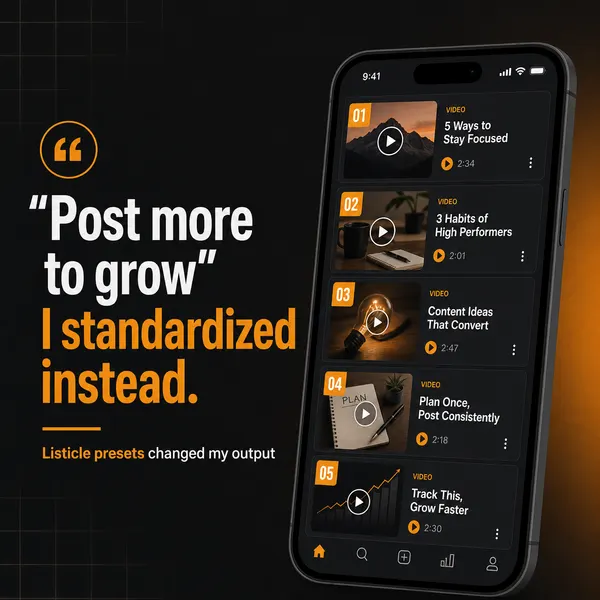
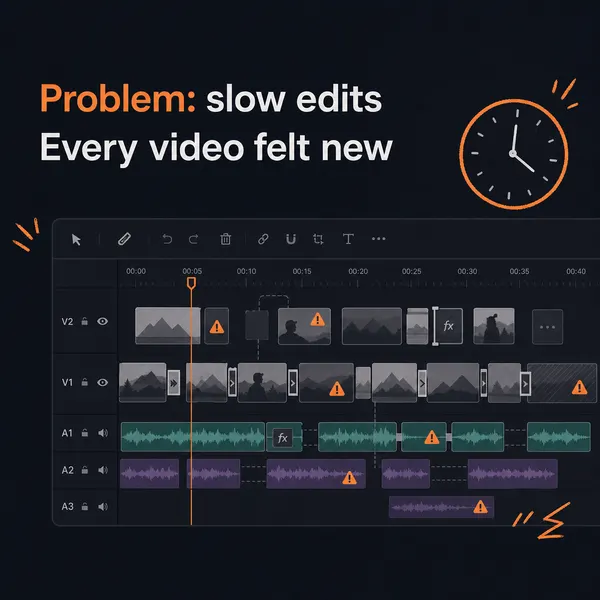
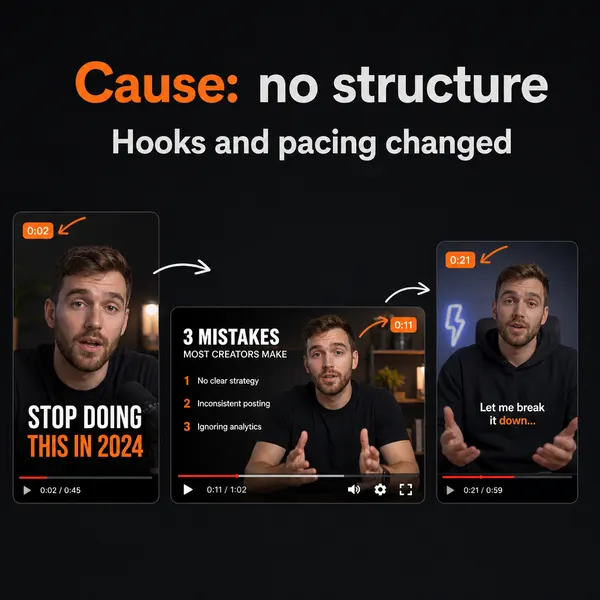
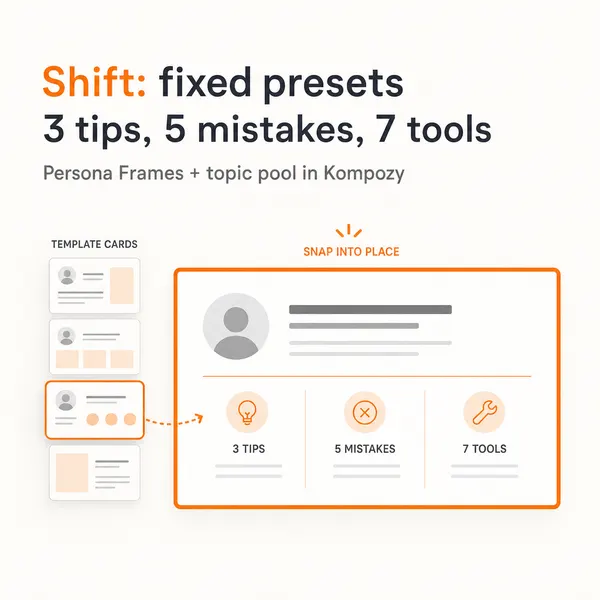
A real carousel made in the Kompozy workspace, shown as an example of the format. It was not made about this story.
Who is this for, and who should skip it?
Best for:
- Parents and educators who want to know what teen accounts can and cannot do
- Education creators who make study and learning content for under-18 audiences
- Brands aimed at younger audiences that need to meet a higher bar for what is appropriate
Not ideal for:
- Creators hoping ChatGPT will recommend their content to teens, which it does not do
- Parents who want to read their teen's conversations, which the controls do not allow
- Adults wanting the standard product, who should check their account is not flagged as under 18
Frequently asked questions
What is ChatGPT for Teens?
ChatGPT for Teens is a dedicated version of ChatGPT for users under 18 that OpenAI began rolling out globally on August 18, 2026. It applies age-appropriate safeguards by default — tighter handling of self-harm, graphic violence, sexual or romantic roleplay, and eating disorders — while keeping learning features like Study Mode. It links to parental controls such as Quiet Hours and safety notifications.
How does ChatGPT decide to put someone in the teen experience?
A user is placed into ChatGPT for Teens if they state their age is between 13 and 17, or if OpenAI's age-estimation system predicts they are under 18. ChatGPT's minimum age is 13.
Can parents read their teen's ChatGPT conversations?
No. Parents and guardians can link a teen's account and manage settings — Quiet Hours, which features are available, turning on Study Mode — and they receive safety notifications only in rare, serious-risk situations. They cannot read the teen's conversations; private chats stay private apart from that narrow safety exception.
What does this mean for creators who want to reach teens?
It reinforces that reaching a young audience is a distribution job you own, not something an assistant does for you. Teens spend their time on TikTok, YouTube, and Instagram, so the durable approach is publishing genuinely useful, age-appropriate content natively on those platforms — which a generation-and-publishing engine like Kompozy can produce at volume from a single source.
How do we know this?
We checked every figure, date, quote and product claim on this page against the sources listed below on 2026-10-23, and removed or rewrote anything we could not confirm. OpenAI's own page and help article blocked our fetch, so we checked the launch against three news reports of it. We removed a usage statistic, an ID-verification claim and a feature list that none of them confirm. Kompozy plan and product details come from kompozy.io/pricing.
Sources
- The Next Web — OpenAI launches ChatGPT for Teens and will auto-enrol under-18s (read 2026-10-23)
- Business Today — OpenAI launches ChatGPT for Teens: parental controls, Study Mode and more (read 2026-10-23)
- iPhone in Canada — ChatGPT for Teens launches with Study Mode, strict parental controls (read 2026-10-23)
- Kompozy — Pricing and plans (read 2026-10-23)